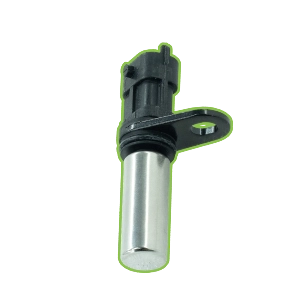
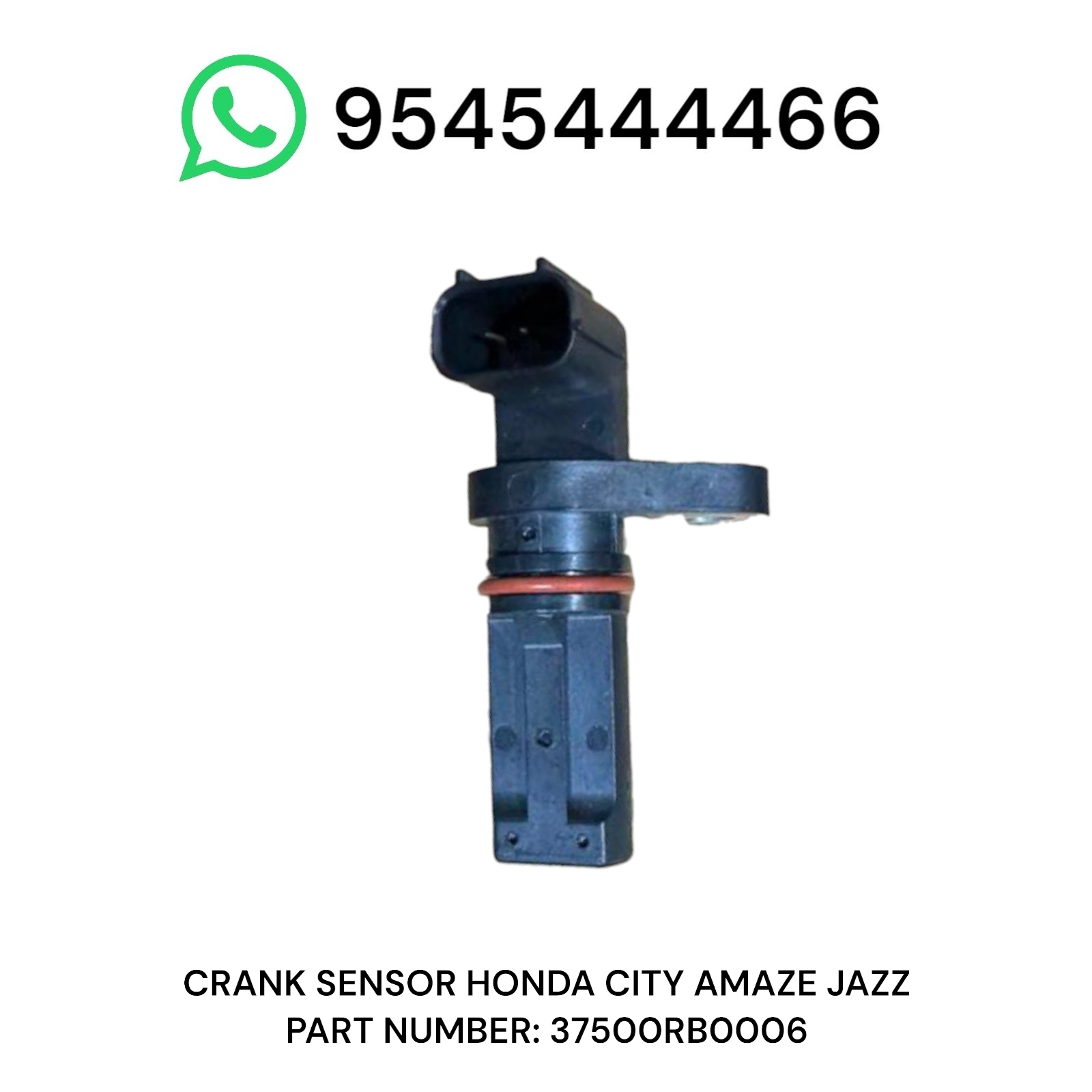
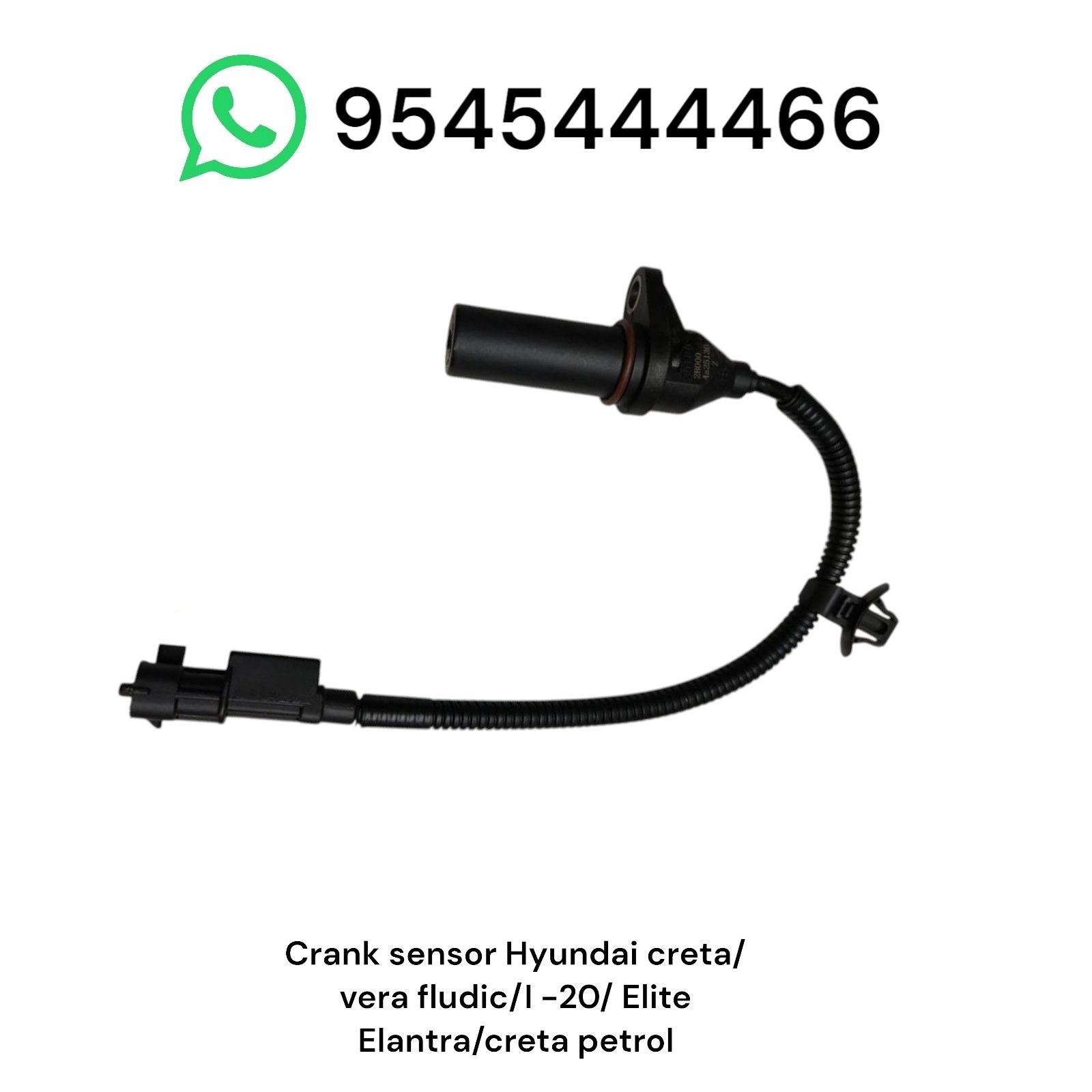
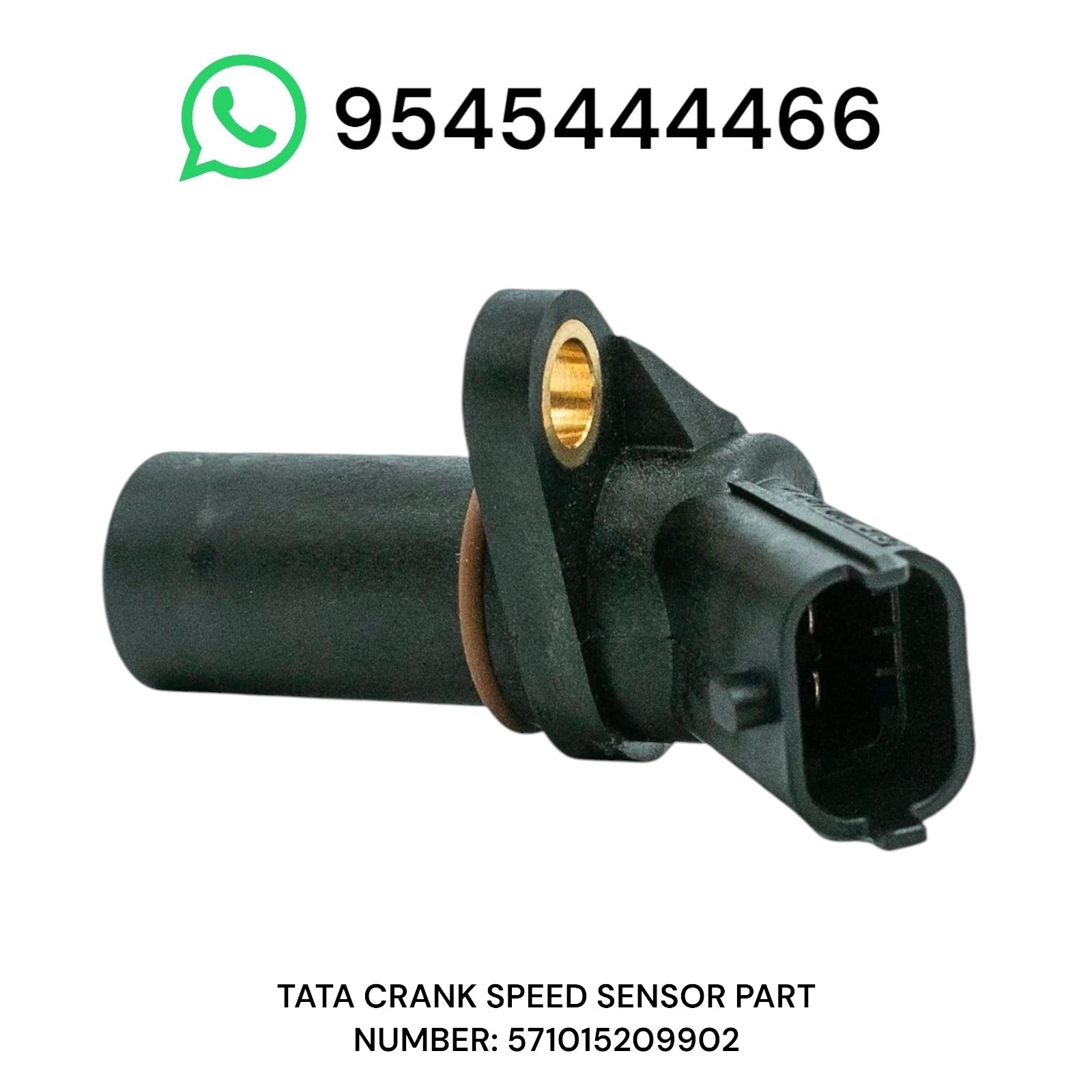
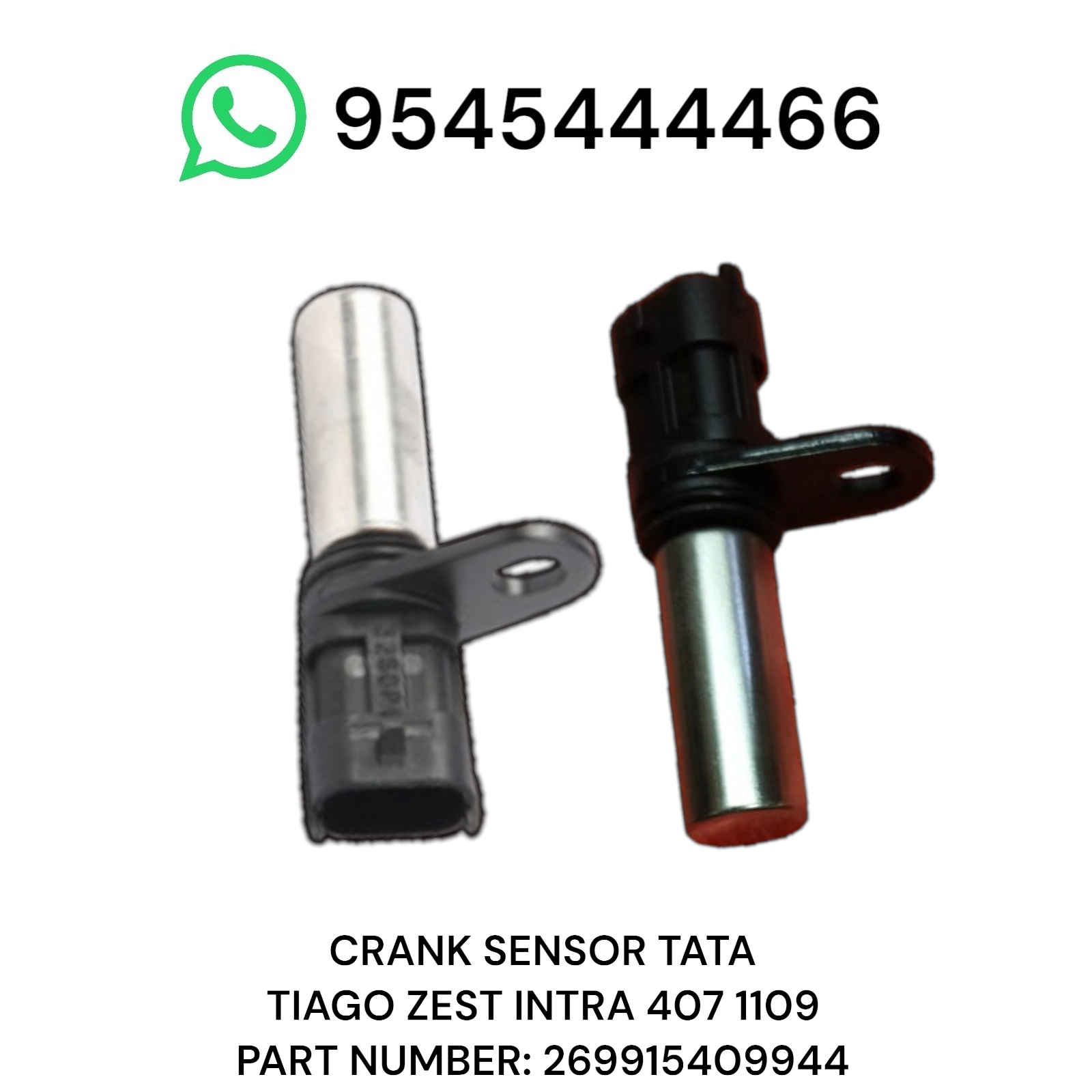
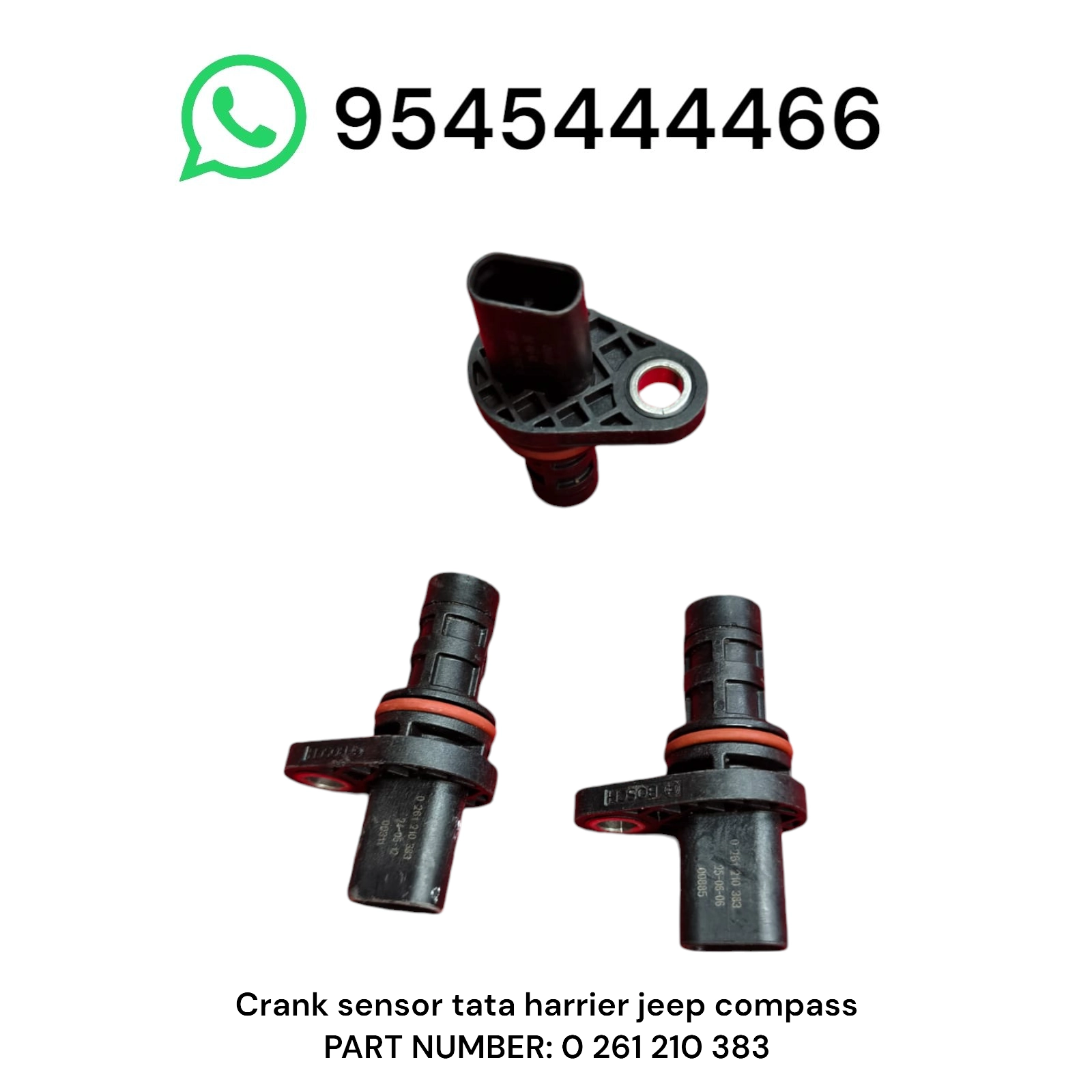
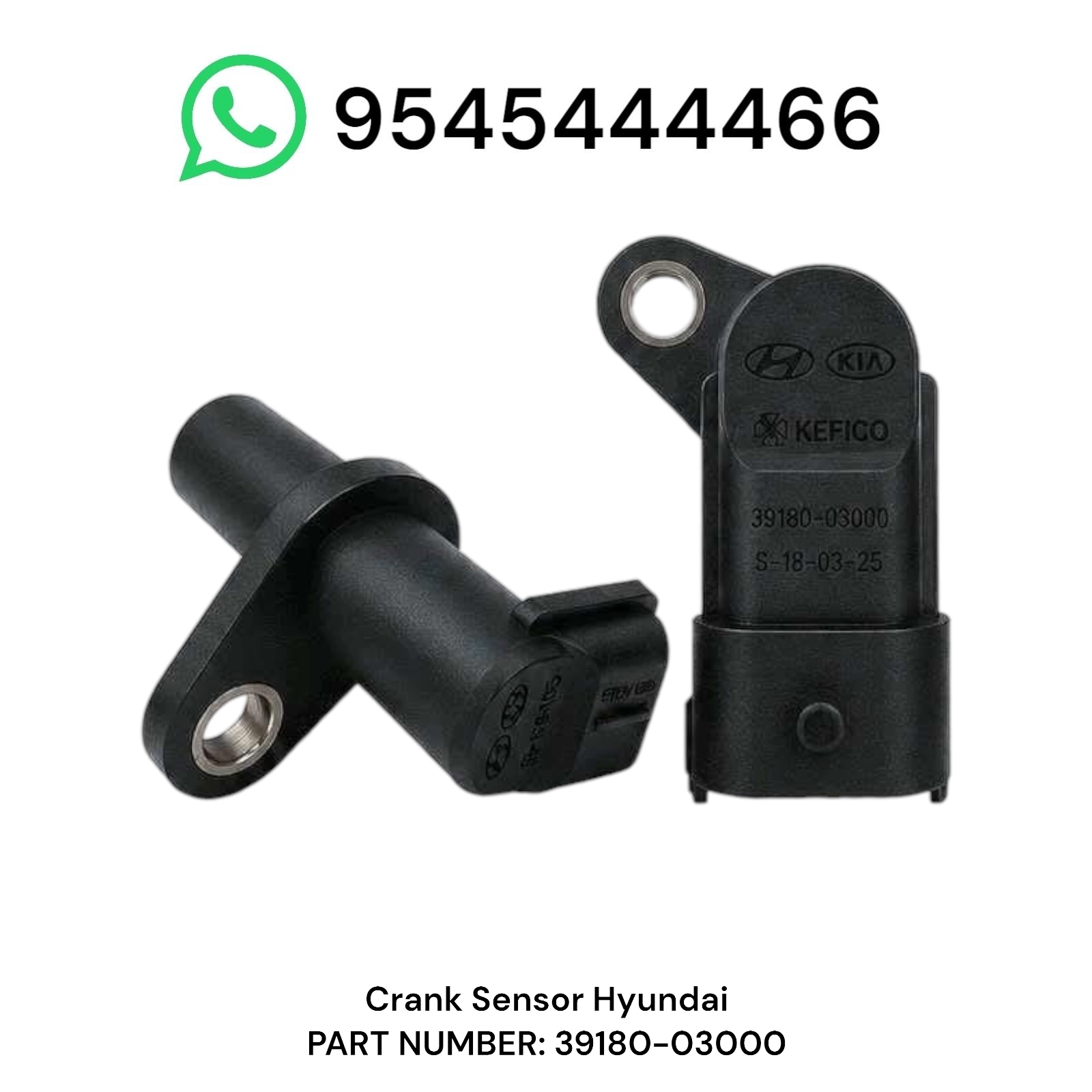
The Crankshaft Position (CKP) sensor is a critical inductive component responsible for monitoring engine speed and determining precise crank position. When this sensor fails or provides an inconsistent signal, the Engine Control Unit (ECU) loses its primary reference for ignition and fuel injection timing.
Core Functionality
Engine Speed Determination: Measures RPM for fuel mapping and governor control.
Position Synchronization: Identifies Top Dead Center (TDC) to sequence fuel injection and ignition.
Working Principle: Utilizes Inductive Sensing. As the flywheel teeth pass the sensor tip, the changing magnetic flux induces an AC voltage signal within the internal coil.
Location: Typically mounted on the Flywheel Housing.
Symptom Profile (Customer Complaints)
Failure of the CKP sensor typically manifests in the following operational issues:
Performance Degradation: Poor acceleration, torque limitation, or restricted maximum RPM (Limp Home Mode).
Starting Issues: Extended cranking times (long crank) as the ECU struggles to synchronize timing.
Operational Instability: Engine stalling or intermittent misfires.
Quick Diagnostic: P0335, P0336, P0016
Current Status: Limp Mode (1750 RPM / 25% Torque Reduction)
1. Physical Check (Most Common)
Clean Sensor: Remove sensor; check for metal burrs, grease, or QR stickers on the tip.
Air Gap: Ensure clearance is 0.3 mm to 1.8 mm.
Wiring: Check for short circuits or “no continuity” between sensor pins and ECU.
2. Signal & Timing
P0335/P0336: “No/Disturbed Signal”—Usually caused by a loose sensor, bad wiring, or a defective sensor coil.
P0016: “Sync Error”—Cam/Crank deviation is > ±15°. Check for loose flywheel bolts, incorrect flywheel holes (should be 58), or FIP timing mismatch.
3. Components
Sensor: Replace if internal resistance is out of spec.
ECU: Inspect as a last resort if wiring and sensor are conf